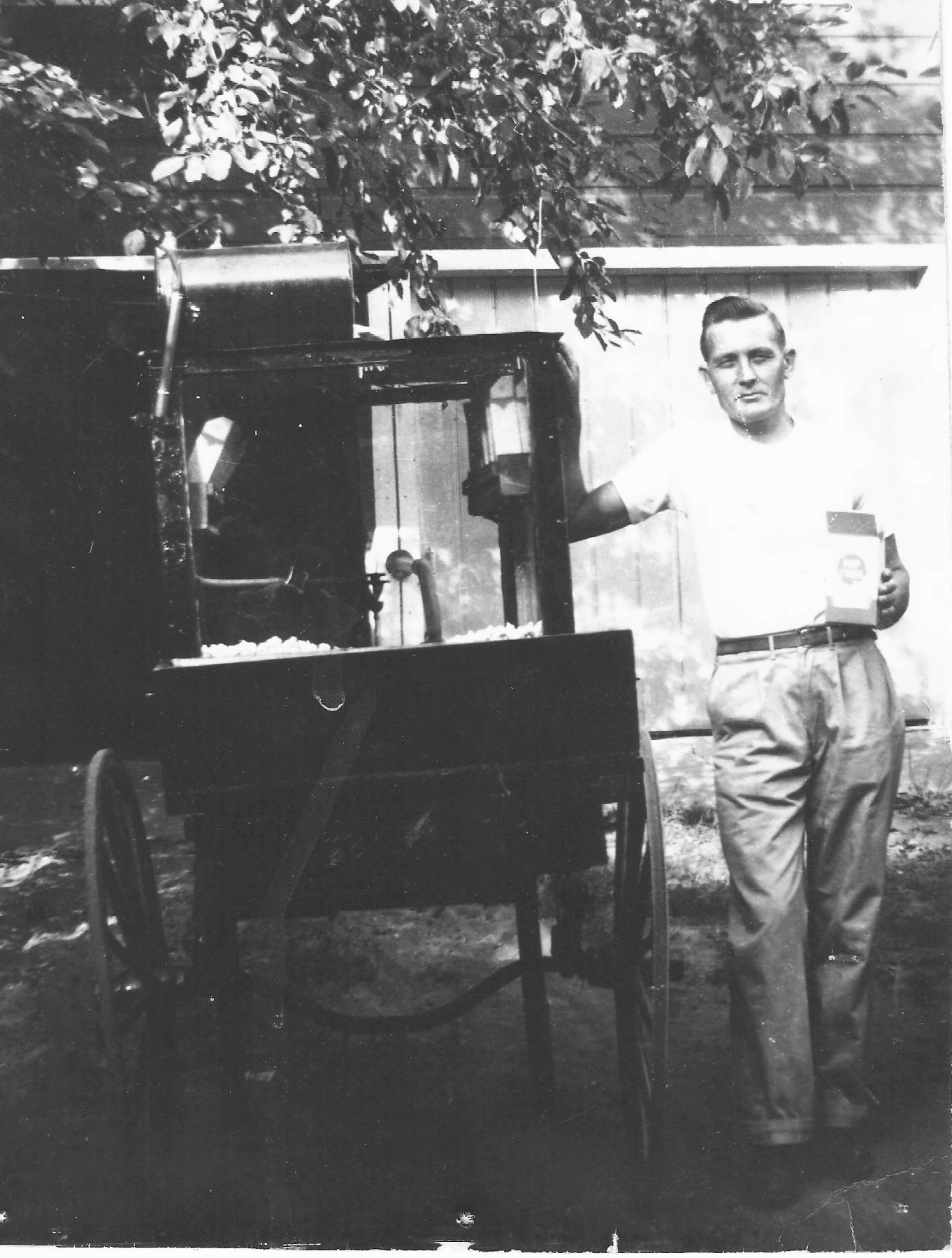
I was brought up in family businesses. My father’s family built a push popcorn wagon shortly after the movie theatre opened in our town in the 1950’s. As the story goes, my grandfather made 78 cents on his first night. That 78 cents continued to grow, and soon my family built a small grocery store next door to their home. My favorite item was the penny candy. When a larger grocer moved into town, we sold the grocery and built a sporting goods store that remains in operation to this day.
My decision to leave the business world came after witnessing the devastating effects of poverty on my hometown, especially on the children. The primary industry had always been a paper mill. As the demand for paper decreased, the mill began a slow decline of layoffs, ending in a complete closure. The impact on the economy and the people was devastating. There was a marked increase in destructive decisions, especially related to addiction in its various forms throughout the area. In the midst of all of this, I sold the business and took my first step towards personal recovery and a career in the field of Substance Use Counseling.
That journey began almost thirty years ago. During those three decades, my work has included partnering with schools, organizations, and community agencies to design and deliver practical, person-centered training and consultation. I draw heavily from Motivational Interviewing and other evidence-informed approaches that respect autonomy, build collaboration, and support meaningful change. I am a Master-level New York State Certified Alcoholism and Substance Abuse Counselor (CASAC), a certified teacher, and a member of the Motivational Interviewing Network of Trainers. I currently work as an Addictions Trainer for the NYS Office of Addiction Services and Supports (OASAS).
I continue to do this work because I have seen how powerful effective communication can be—especially when people feel heard, respected, and trusted to make their own choices. Too often, well-intended efforts to help rely on persuasion or control, which can create resistance rather than change.
First Step Consultation was created to help people take that first, manageable step toward healthier behaviors and more meaningful communication—because lasting change begins with understanding, collaboration, and respect.